Form and Fable
Benefits Testimonials Frequently Asked Questions Contact Journal

Interiors shaped around the way you live

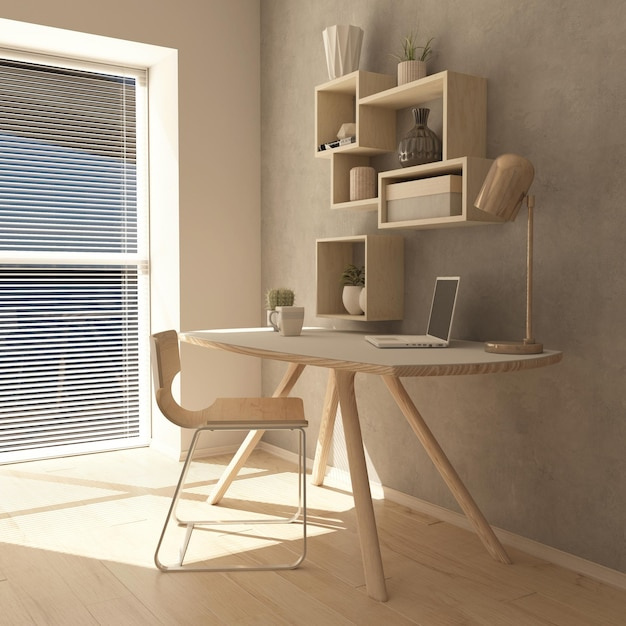
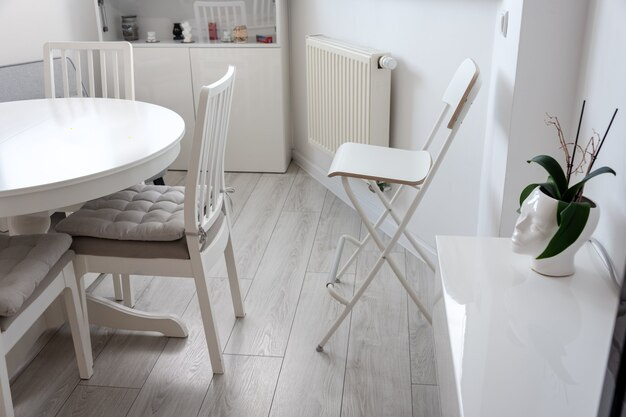
Form and Fable explores interior design as a thoughtful balance of atmosphere and everyday use. From the first conversation, the focus is on understanding what matters to you: how rooms are used, what you want to keep, and the feeling you hope to create. A considered design can bring together layout, colour, lighting, materials and furniture without losing sight of the character of a home. Our approach is collaborative and attentive to context, whether you are considering one room or a wider interior. This website describes design principles and possible ways of working; project scope, availability, fees and deliverables would need to be discussed and agreed before any work begins. No particular result is guaranteed, because each space and brief is different.

feature

A considered approach to interior design

Start with how the space is used

A room's purpose and daily rhythms provide a useful starting point for design decisions. Thinking about movement, storage, light and the activities that take place in the space can help clarify what should change and what already works. Form and Fable's approach begins with questions and careful observation, rather than assuming that a particular look suits every home. The brief can then guide choices about layout, furniture and atmosphere. The scope and detail of any project would be agreed individually, and no design decision can be expected to suit every person or property.
Make choices that feel connected

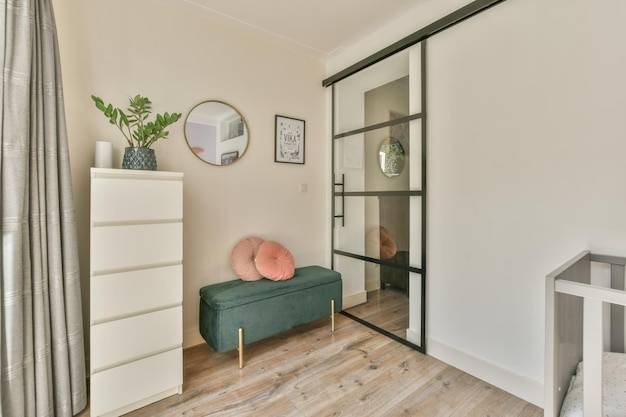
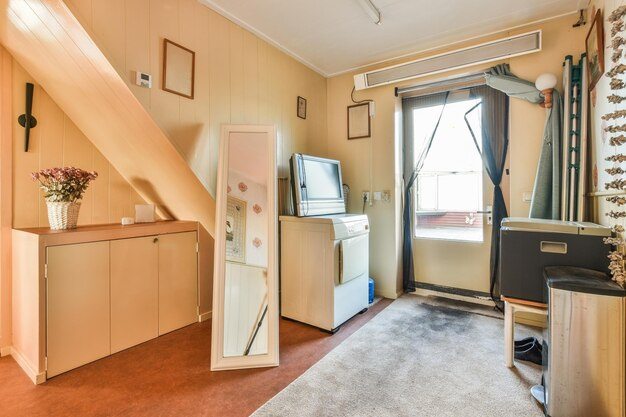
Colour, texture, lighting and furniture have the greatest impact when they are considered as parts of the same interior. A coherent direction can help a room feel intentional while still leaving space for personal pieces and meaningful details. Form and Fable treats these elements as a conversation, taking account of the architecture and the preferences shared in the brief. Rather than following a passing trend for its own sake, the aim is to explore combinations that feel appropriate to the people and setting. Final selections depend on the agreed design scope, availability and individual decisions.

Respect the character of each home

Every home has its own proportions, history and practical constraints, and those qualities deserve attention during the design process. Existing features, natural light and the relationship between adjoining rooms can all inform a considered interior direction. Form and Fable's perspective is to work with the context of a space instead of applying one universal template. Where changes are being considered, practical requirements and any relevant professional advice should be assessed separately. Design ideas are developed around the information available, and a site-specific proposal would require discussion of the particular property and brief.

A design process, made clear

Rather than presenting unverified company figures, this section uses four simple markers to describe the themes that can guide an interior design conversation. They are a framework for thinking about a space, not measured performance statistics, project totals or a promise of specific results.

A design brief can bring together practical use, the character of a home and the atmosphere its occupants want to create. These considerations may help organise conversations about layout, colour, materials and furnishings, but the right balance will differ from one room and one household to another. Project details, professional input, timings and costs should be discussed and confirmed individually before any work begins.

01
Understand how the room is used
02
Consider the home's character
03
Explore a coherent design direction
04
Agree the project scope together

”Illustrative placeholder only — this is not a real customer review or a claim about a completed Form and Fable project. A sample client might describe valuing a design conversation that begins with everyday routines, existing furniture and the feeling they want from a room. In a real project, feedback would need to come directly from the client and be shared with their permission. This example is included solely to show the kind of themes a testimonial section might contain; it should not be presented as evidence of results or service experience.”

Sample Client One
Illustrative homeowner profile

Notes on interior design

Frequently asked questions

What kind of interior design does Form and Fable focus on?

The focus is on thoughtful residential interiors, including the relationship between layout, colour, lighting, materials and furnishings. The appropriate scope depends on the individual brief and would need to be discussed.

Can I ask for help with one room?

A conversation can establish whether a single-room brief is suitable. The exact work, deliverables and any limitations should be agreed in writing before a project begins.

Do you guarantee a particular result or timeline?

No specific result or timeline is guaranteed here. Each property and brief is different, so any proposed schedule, scope and expectations should be discussed and confirmed for the individual project.

How do I find out about availability and fees?

Use the contact form to share a little about your space and what you are considering. Availability, fees and possible next steps would need to be confirmed directly; no pricing or availability information is stated on this page.

Contact

England, United Kingdom — studio address not provided
Email

Your privacy matters

This website may use information you choose to provide through its contact form to respond to your enquiry. The precise data collected, how it is used, how long it is retained and any applicable rights should be explained in the full privacy policy before you submit personal information. Read the Privacy Policy