Small-Space Interior Design Ideas for London Homes
London homes often ask a lot of a small floor plan. A room may need to function as a place to relax, work, eat and store everyday belongings, sometimes without clear boundaries between these activities. The most effective design starts with how you use the space, then makes each element earn its place.
Begin with the layout
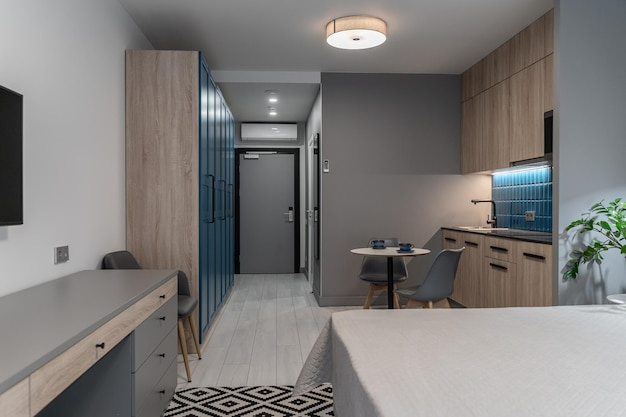
Before buying furniture, note the room’s dimensions, door swings, windows, radiators and the routes you need to move through it. A simple floor plan can reveal whether a large sofa blocks a doorway or whether a desk would work better beside a window.
Keep pathways clear and avoid filling every wall. In a narrow living room, placing furniture along the perimeter can sometimes leave a usable central route; in other layouts, a compact sofa angled away from the wall may define a sitting area more effectively. Try a few arrangements before committing.
Choose furniture to suit the room
Scale matters more than the number of pieces. A bulky item can dominate a compact room, while several small pieces may create visual clutter. Measure carefully, including the space needed to open drawers, extend a dining table or pull out a sofa bed.
Look for furniture that serves more than one purpose: an ottoman with storage, a dining table that can double as a desk, or a bed with drawers beneath it. Folding or nesting pieces can be useful when you need flexibility, but they should be easy to use in everyday life. Prioritise comfort and durability alongside size.
Make storage part of the design
Storage works best when it is planned around what you actually own. Group belongings by use, keep frequent-use items accessible and reserve less convenient spots for seasonal or occasional items. Closed cupboards can create a calmer appearance, while a few open shelves are useful for items you want close to hand.
Use vertical space where appropriate, such as tall shelving or cupboards that make use of the full height of a wall. In alcoves or awkward corners, fitted storage can help use space efficiently, though freestanding furniture may be a better choice if you want flexibility. Avoid filling every available nook: a little empty space helps a room feel less crowded.
Use light and colour thoughtfully
A restrained palette can help separate elements from one another without making the room feel busy. This does not mean everything has to be white. Soft neutrals, muted colours and a consistent palette across adjoining areas can create a sense of continuity. Use contrast selectively—for example, in artwork, cushions or a lamp.
Make the most of daylight by keeping window areas as unobstructed as practical. Light-filtering curtains or blinds can provide privacy without making the room feel heavy. Mirrors may help reflect light or give a different view of the space, but their placement matters: position one where it reflects something pleasant rather than visual clutter.
Layer lighting for different tasks. A ceiling light can provide general illumination, while a reading lamp or focused light over a desk makes specific activities more comfortable. In a small room, wall-mounted or table lighting may free up floor space.
Create zones without adding walls
In an open-plan room, rugs, lighting and furniture placement can distinguish areas without dividing the space. A rug can anchor a seating group; a small table or bookcase can mark the edge of a work area. Keep sightlines open where possible so these zones still feel connected.
For a desk in a bedroom or living room, choose a position that feels practical for working and easy to tidy away afterwards. A compact desk, wall-mounted shelf or cabinet that conceals work materials may help the room return to its main purpose.
Pay attention to details
Repeating a few finishes or colours can make different pieces feel intentional together. Keep decorative objects selective, and consider displaying a small number of meaningful items rather than filling every surface. Artwork can add character without taking up floor space, while plants can bring softness if their light and care needs suit the room.
Most importantly, design around your own routines. A small home does not need to imitate a larger one; it needs to make daily life easier. Form and Fable approaches compact interiors by balancing practical use with considered design, helping each room feel comfortable, orderly and personal.