Choosing Natural Materials for a Calm English Country Home
A quiet country interior is built through texture, tone and thoughtful restraint. Natural materials bring subtle variation to a room, helping it feel settled rather than overly polished. The aim is not to use as many organic finishes as possible, but to choose a few that work well together and suit the way the home is lived in.
Begin with the character of the house
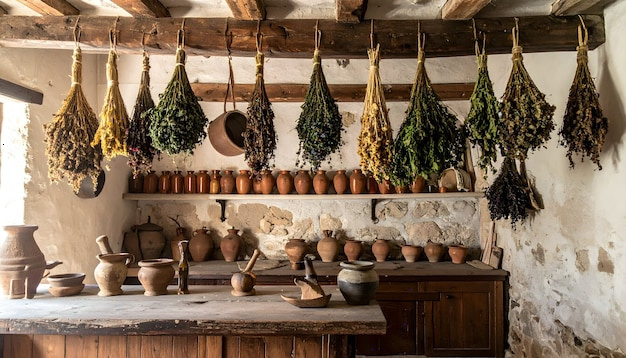
Notice the features already present: timber beams, stone floors, brickwork, original joinery or plaster walls. Let these guide the material palette instead of covering them with finishes that compete for attention. In a newer home, natural textures can still create a sense of depth through flooring, furniture and soft furnishings.
Consider the light in each room, too. A surface that feels warm and soft in a bright space may look heavier in a darker one. Test samples where they will be used, and look at them in both daylight and evening light before making a decision.
Choose materials for their feel and function
Wood adds warmth and brings visible grain into a room. Oak, ash and other timbers can work across floors, furniture and details such as shelves or door handles. A consistent undertone helps different pieces sit together; the finishes do not have to match exactly. In a smaller room, using timber in a few well-chosen places can feel calmer than repeating it on every surface.
Stone offers a grounded, tactile quality. It can suit a kitchen, entrance or fireplace surround, while a stone-look finish may be a practical alternative where natural stone is not appropriate. Consider texture as well as colour: a highly patterned surface can become a strong feature, whereas a quieter finish is easier to combine with other materials.
Linen and wool soften the harder edges of floors, furniture and architectural details. Linen curtains, wool throws or a simple upholstered chair can add comfort without introducing a busy pattern. Look for colours that echo the room’s existing materials, such as muted greens, warm browns, chalky whites or gentle greys.
Clay, lime and other mineral finishes can bring a subtle variation to walls. Their natural tonal movement may suit a relaxed interior better than a perfectly uniform surface. Before choosing a finish, check that it is appropriate for the wall and room, and follow the manufacturer’s guidance for preparation and care.
Woven materials such as jute, seagrass or willow can add another layer of texture through rugs, baskets and occasional furniture. Use them selectively: a few woven details can make a room feel more relaxed, while too many competing textures may make it feel cluttered.
Keep the palette connected
A calm scheme usually has a limited range of colours, with variation coming from texture and natural differences in the materials. Start with a base of soft, restrained tones, then add depth through timber, stone and textiles. Repeating a colour or material in more than one place helps the room feel connected, but repetition does not need to be exact.
Pay attention to undertones. A cool grey stone may sit awkwardly beside very yellow timber, while two different woods can work together if their tones feel compatible. Lay samples beside one another rather than judging each in isolation.
Balance beauty with everyday care
Natural materials develop character, but they also have individual care requirements. Check how a surface responds to moisture, heat, sunlight and regular use before specifying it, especially in kitchens, bathrooms and busy entrances. Sealing or protective finishes may be suitable for some materials, but the right choice depends on the product and setting.
In older or altered properties, seek appropriate advice before changing historic finishes or building fabric. Materials and methods should suit the house, not just the look of a room.
A calm English country home does not need to feel rustic or formal. It can combine old and new, smooth and textured, simple and characterful. By choosing materials for their qualities, testing them in the actual space and allowing a little breathing room between them, you can create an interior that feels natural, comfortable and enduring.